Species library · Plants & herbs
Aconitum septentrionale
Northern Monkshood is classed as deadly poisonous in the Forage field guide. This page helps you identify it and tell it apart from similar species. It is not a foraging guide. When in doubt, have a find identified by an expert.
If you suspect poisoning, call your local poison control center right away. If someone has trouble breathing, has a seizure or is unconscious, call emergency services. Don't wait for symptoms: with some poisonings they only start hours later. Keep any leftovers of the find, they help identify it.
Usually seen from January to December in the northern hemisphere. Found in Grassland, Woodland edges. Can be confused with similar species.
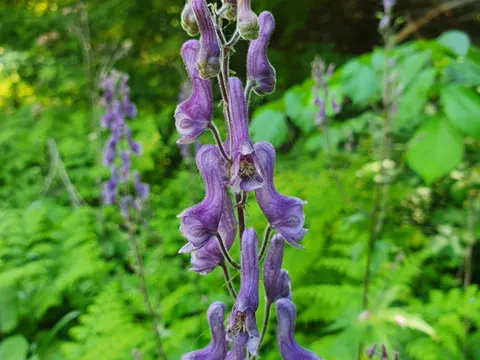
Photo: (c) Анна Митрошенкова, some rights reserved (CC BY), uploaded by Анна Митрошенкова · iNaturalist
Typical window in the northern hemisphere. The southern hemisphere runs about six months offset.
Northern Monkshood is usually found in Grassland, Woodland edges.
In the Forage app, Northern Monkshood has a full field guide entry with more photos, key features and the species it can be confused with.


Yes. Northern Monkshood is classed as deadly poisonous in the Forage field guide. Do not eat it. If you suspect poisoning, call your local poison control center right away, or emergency services if it is life-threatening.
Northern Monkshood usually appears from January to December in temperate northern regions. The exact timing shifts with latitude, elevation and each year's weather.
Northern Monkshood is usually found in Grassland, Woodland edges.
Deadly look-alikes: Monkshood, Wolfsbane, Variegated monkshood. Only a confident identification tells them apart. When in doubt, have a find checked by an expert.
Forage helps you discover and identify wild plants, but identification is never 100% certain. Many edible plants have toxic lookalikes. Never eat anything you find based only on what this app tells you. Always confirm with a field guide, an experienced forager or a local expert. The season score tells you where to look, too: it’s not a guarantee. Mind conservation law and property rights as well.
Species photos via Wikimedia Commons and iNaturalist · full credits

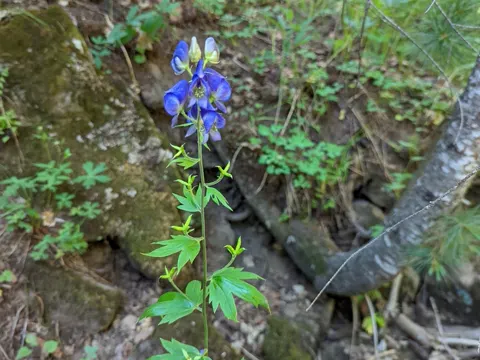 Monkshood☠ deadly
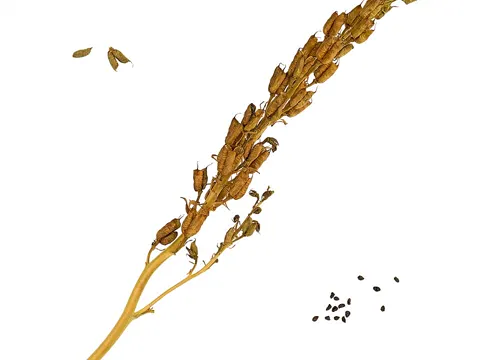 Wolfsbane☠ deadly
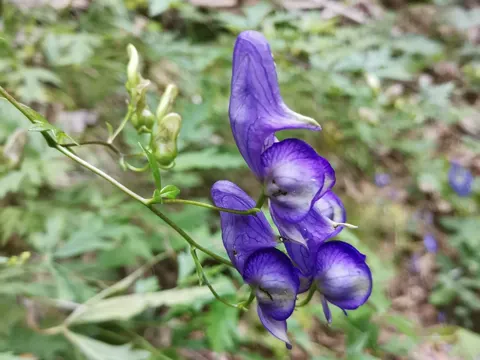 Variegated monkshood☠ deadly